Social Media Marketing Strategy: How to Run Organic and Paid as One System
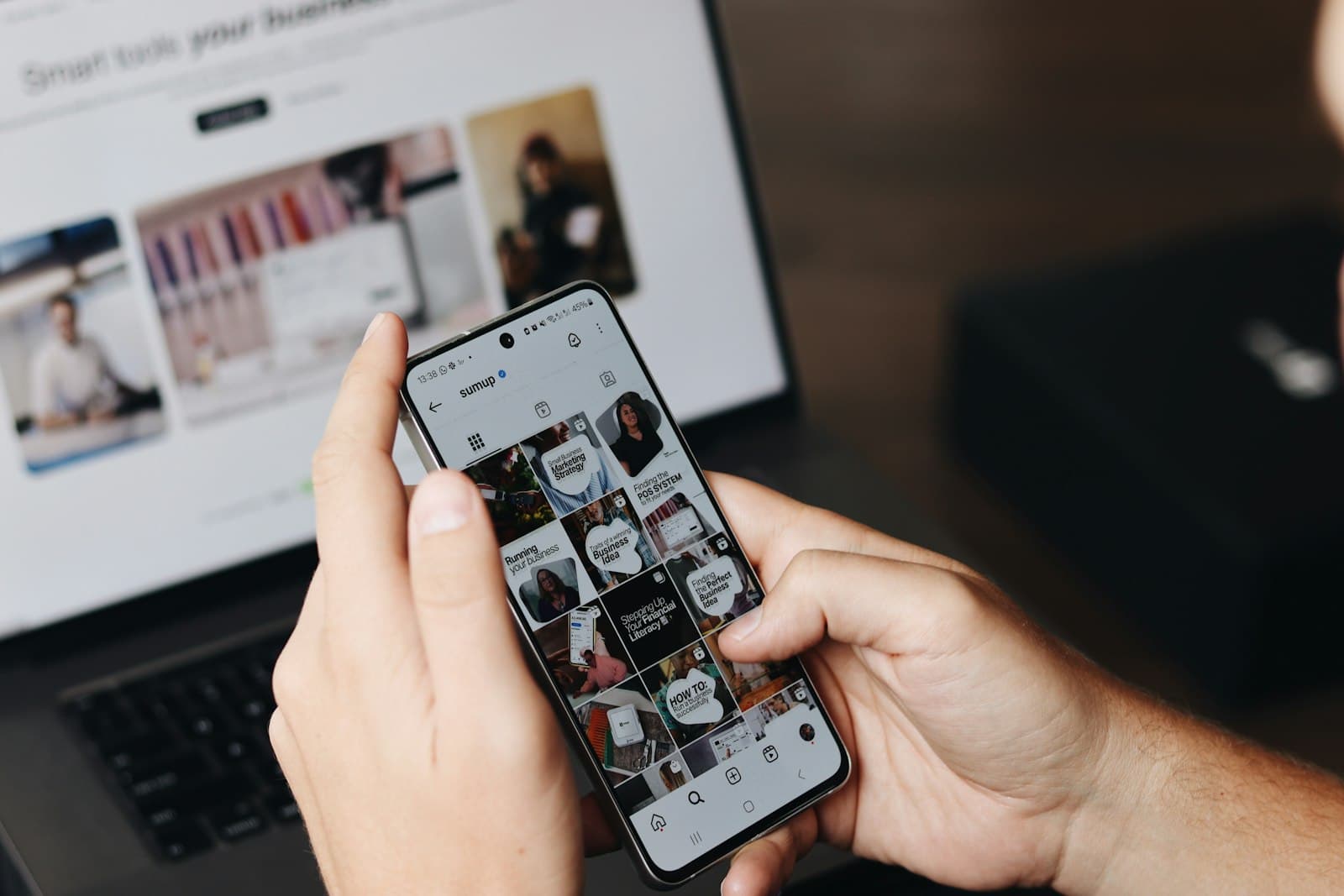
Most social media strategies fail for the same reason: they treat organic content and paid ads as two separate departments that don't talk to each other. Someone posts Reels, someone else runs Meta Ads, and neither one is looking at what the other learned. The strongest strategies in 2026 do the opposite — they run organic and paid as one connected system, where the best organic post becomes tomorrow's ad, and every dollar of ad spend gets smarter because the content already proved what works.
This guide covers how that system actually holds together across the platforms that matter most right now — Instagram, Facebook, Threads and Pinterest — and links out to the deeper guides for each piece.
Why organic alone isn't enough anymore
Organic reach has been shrinking for years, and 2026 is no exception — most estimates put organic reach at just 1–6% of your existing followers on any given post, a direct result of algorithm changes that favor content the platform is confident will keep people scrolling. Organic still matters: it builds trust and long-term brand equity at close to zero cost, and it's the only place you can genuinely test messaging before spending a cent on distribution. But treating it as your only channel means accepting that most of your audience simply never sees what you post.
Organic vs paid social media: how to actually split your budget breaks down the 2026 consensus on how much to allocate to each, and why the honest answer is "both, in that order."
The math that decides whether any of this is working
None of this matters if you can't tell whether a campaign made or lost money. Three numbers do that job: Cost Per Acquisition (what one customer actually costs you), Return on Ad Spend (revenue per dollar spent), and Lifetime Value (what a customer is worth across every purchase, not just the first one). How to calculate ROAS, CPA and LTV for social media ads walks through the formulas with a real worked example, and why a higher LTV lets you justify a higher CPA than your competitors can afford.
Instagram, Facebook and Threads as one system
Meta's three platforms increasingly work as one ecosystem rather than three separate audiences — a Reel that performs organically becomes the seed for a retargeting ad, and engagement on Threads feeds the same Pixel data that powers Instagram and Facebook targeting.
The Meta Ads retargeting playbook covers the shift to server-side Conversions API tracking and the audience-segmentation approach that's currently lifting retargeting ROAS 40–70% with no increase in spend. The Instagram Reels algorithm explains what actually earns reach in 2026 — hint: it's retention, not likes. And a content pillar strategy that spans all three platforms is what ties daily posting into something an algorithm can categorize and a reader can recognize as a consistent brand, instead of random content with no throughline.
For the full playbook — case studies, the CPA/ROAS/LTV framework, Meta Ads setup, and the full funnel structure — The Omni-Channel Social Media Blueprint packages all of this into one system.
Pinterest: the platform most brands still treat wrong
Pinterest isn't a social feed you scroll — it's a visual search engine, and the businesses winning on it in 2026 treat it that way: keyword research, Pin SEO, and a claimed, Rich-Pin-enabled website, not just pretty images posted at random.
Pinterest SEO: the complete guide to ranking Pins covers what actually moves rankings this year, Pinterest Ads vs organic Pins answers the sequencing question of which to invest in first, and how to automate Pinterest publishing with Make and n8n covers the no-code workflows that let you scale without publishing every Pin by hand.
The Pinterest Traffic Vortex is the full guide behind this cluster, covering SEO, Ads, and automation in one system.
Threads: the growth window that's closing
Threads has been the one major platform in 2026 where a well-crafted text post can still reach several times your follower count organically, without a production budget or a paid boost. That window is narrowing now that Meta has introduced ads on the platform, which makes the current moment the best time to build an organic foundation before distribution gets harder to earn for free.
How to grow on Threads: a step-by-step strategy covers the engagement-velocity mechanics that actually drive the algorithm, the Educate-Agitate-Architect framework is the content structure behind sustainable growth rather than random posting, and turning Threads followers into email subscribers and leads is how organic conversation becomes an actual business asset instead of just a follower count.
Threads Velocity is the complete guide behind this cluster.
Where to start
If you're only running one channel today, start with the organic-vs-paid budget split — it reframes the whole decision before you commit real money anywhere. If you're already running ads without a retargeting strategy, that's the highest-leverage gap to close next. And if you haven't touched Pinterest or Threads at all, both are still comparatively under-exploited relative to Instagram and Facebook — which is exactly why they're worth building into your system now, not later.
Every guide referenced above lives in our E-books & Guides collection if you want the full, structured version rather than piecing the strategy together one blog post at a time.
Build this with
 E-books
Threads Velocity – Threads Growth, Engagement & Meta Ads Strategy Guide
$50$29.99 E-books
The Pinterest Traffic Vortex – Pinterest SEO, Ads & Automation Guide with Make and n8n
$50$29.99 E-books
The Omni-Channel Social Media Blueprint
$50$29.99More from the lab
View all posts → Guides
How to Turn Threads Followers Into Email Subscribers and Leads
Followers are a vanity metric until they convert into something durable. Here's the free-resource-to-landing-page pipeline that turns Threads conversation into an email list.
 Guides
The Educate-Agitate-Architect Framework for Threads Content
A three-stage content system for Threads that sells through storytelling instead of promotion — with the 70/20/10 content mix ratio behind it.
 Guides
Pinterest SEO: The Complete Guide to Ranking Pins
Pinterest is a visual search engine, not a social feed. Here's how keyword placement, Pin format, and Rich Pins actually move rankings in 2026 — and the real 60-90 day timeline to traffic.